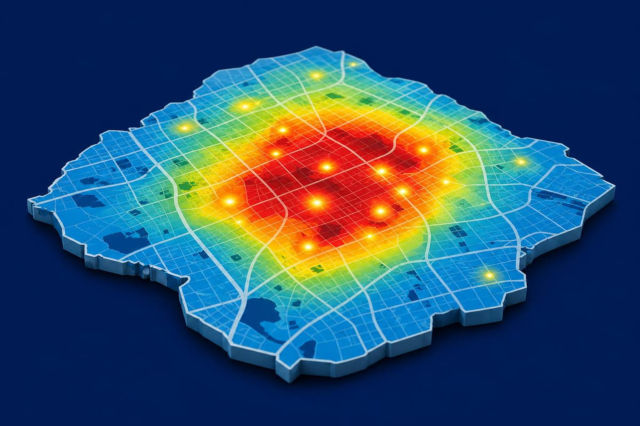
 I-1
Crime Heat Maps of Targeted Neighborhoods
Turning incident data into parcel-level insight for site selection.
Course catalog
Filter by who the course is for or by curriculum track. All 58 modules of the curriculum, plus the Opportunity Zone finance track. “In development” courses are being written now; “Planned” modules are next in line.
Track I
I-1Turning incident data into parcel-level insight for site selection.
 I-2
Taught through Home Building Success in Blighted Areas (II-2): how builders succeed on blighted lots and in high-crime blocks.
 I-3
Security, tenants, police partnership, and timing commercial investment to follow safety gains.
 I-4
Agencies, vertical prosecution and intelligence-led enforcement.
I-5Protecting job sites and new homes with resident watch groups.
 I-6 · Class 4
Why enforcement alone displaces crime and prevention alone fails, and how to sequence the two together. Class 4 of Module I-6, Gang & Drug Cartel Eradication.
 I-7
Taught through Improving Law Enforcement & Community Relations (IV-4): police and residents working the same plan.
 I-8
Construction workforce and reportable jobs.
 I-9
Companion funding and fiscal agents.
I-10City and county policies that sustain safety gains.
 I-11
Turning a city housing policy into a congregation-by-congregation campaign.
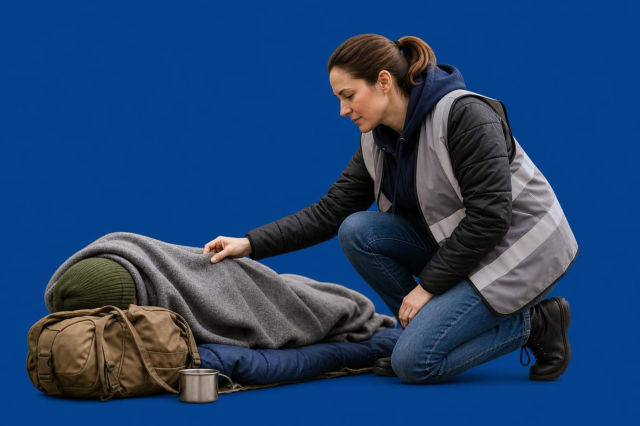 I-12
Ending homelessness with compassionate, measured outcomes.
I-13Coordinating crime and code-violation response across agencies.
Track II
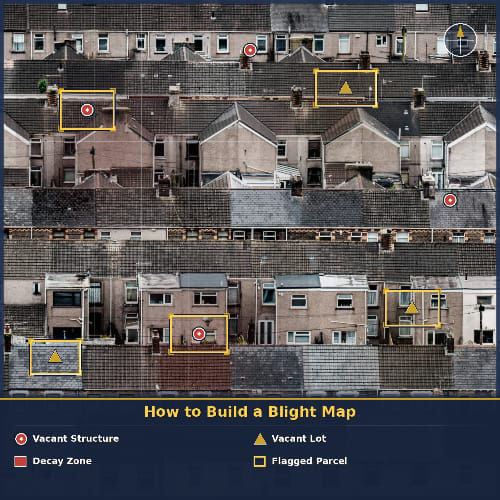 II-1
Grading vacant structures and lots to drive acquisition decisions.
 II-1
Ranking safety, sanitation and nuisance issues for inspection and acquisition.
 II-1
Turning the maps into a buy decision.
II-2Closing the builder gap with layered capital and measured outcomes.
 II-2
How a local model builds a documented, national-credibility case.
 II-3
Turning a blighted corridor into a repriced market.
 II-4
Building the parcel pipeline from vacant, blighted and seized properties.
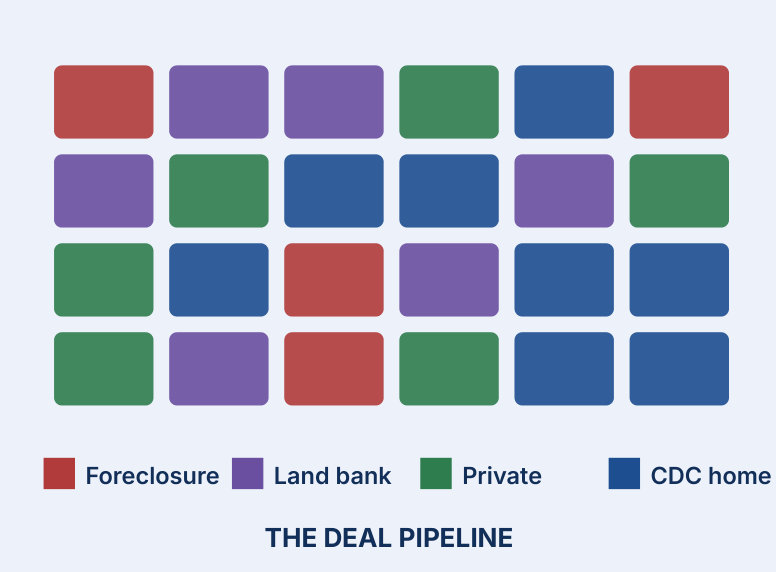 II-4 & II-5
The deal pipeline from foreclosure to first-time owner, with CDC purchase rights and resale protections.
 II-6
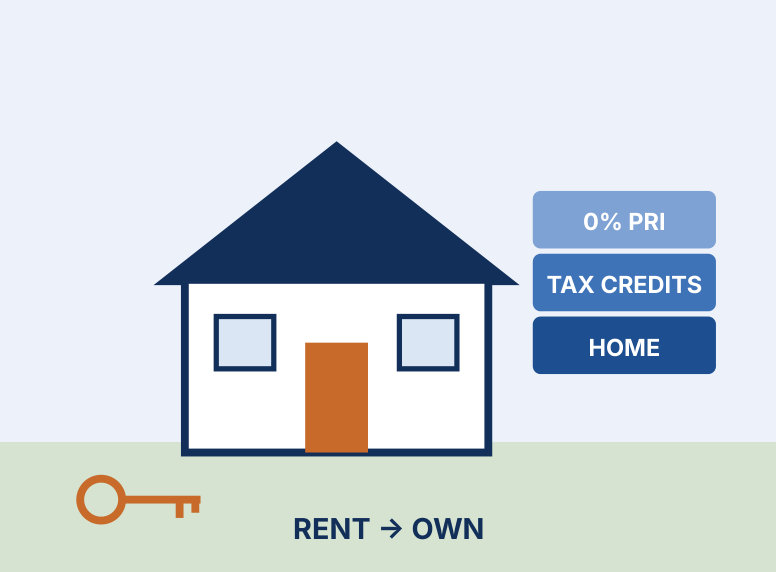
Layering housing tax credits, HOME funds, a 0% foundation loan, city equity and rent-to-own so families can own.
 II-7
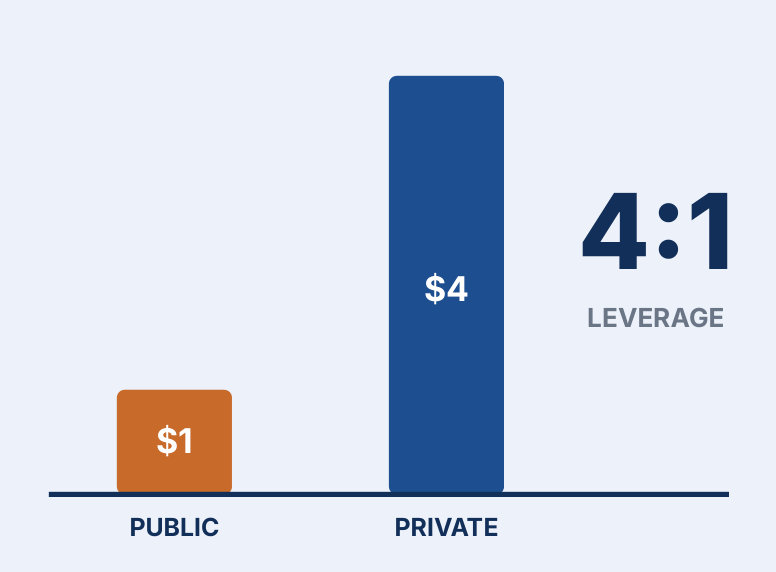
Leveraging public dollars 4:1 with corporate, foundation, bank and church capital: the JPI pattern.
 II-8 & II-9
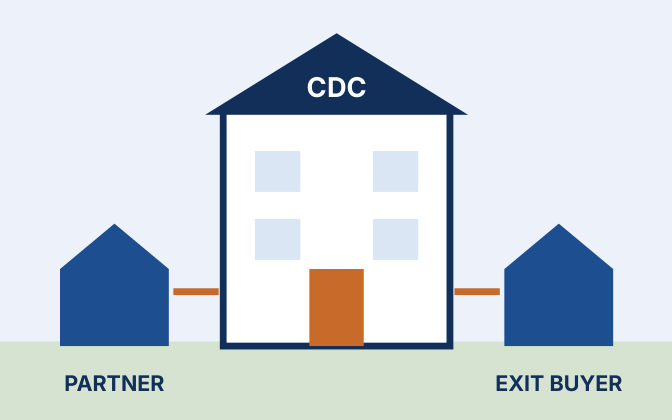
The CDC as partner on the way in and buyer on the way out.
 II-10
Site plans and deals that align affordability with developer return.
 II-11
Consent-based planning that protects both returns and residents.
Track III
 III-1
Community-based campaigns that win over opposition.
 III-2
Print and media awareness to change public perception.
 III-3
Convening balanced, cross-sector roundtables.
 III-4
Taught through Community Awareness: Tours & Media (IV-8): tours of blighted and high-crime areas that build public support.
 III-5
Map the agencies and decision windows, comment on NEPA reviews, and negotiate compensation and community benefits.
 III-6
Moving a community from emergency response to a multi-year rebuild.
 III-6
Rescue, recover and rebuild, and the five rebuild models.
 III-7
The Discovery Phase: a full community damage picture.
 III-8
Turning Discovery data into a vision with goals and metrics.
 III-9
Strategic partnerships and a staffed strategy.
 III-10
Rallying the workforce.
 III-11
Transferring a proven recovery model through mobilization.
Track IV
 IV-1
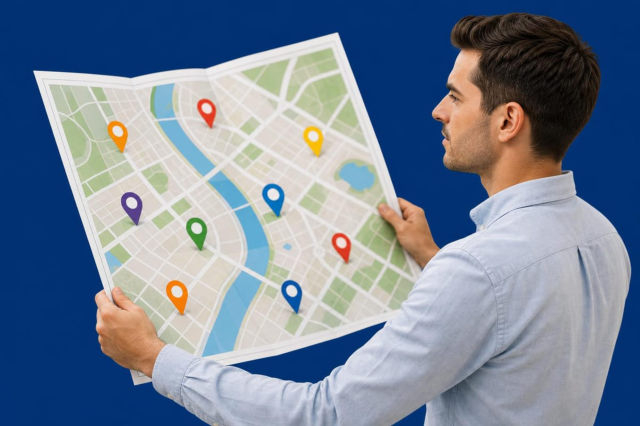
Privacy-protected maps that show where to act first.
 IV-2
Starting from community strengths: the baseline for impact reporting.
 IV-3
Revitalization without displacement, measured for developers and residents alike.
IV-4Trust between residents and police as a precondition for safety.
 IV-5
After-school and summer camps that pair athletics with mentoring.
 IV-6
Neighborhood roundtables that turn city plans into resident-led action.
 IV-7
Resident ownership through surveys and mobilization.
IV-8Resident-honoring tours and media that build pride, not stigma.
 IV-9
Mobilizing credible role models to inspire change.
 IV-10
A one-day teach-equip-deploy summit.
 IV-11
Matching local heroes with sponsors, and protecting their mission.
Track V
 V-1
Urban missionaries and block-by-block transformation.
 V-2
Cross-denominational, city-wide coalitions with measurable goals.
 V-3
Extreme make-overs for inner-city churches.
V-4Character-based programs against bullying, gangs and violence.
V-5Building trust across racial and community lines.
V-6Coaching local leaders with best practices.
Track VI
 VI-1
The Edison model for a tipping-point campus.
 VI-2
A ready-made business for the fund.
VI-3Taught through Child-Focused Heat Mapping (IV-1): mapping education, safety and wellness to target help where it is needed.
 VI-4
Feeding children when school meals stop.
VI-5Taught through Youth Summits on Poverty and Hunger (IV-10): summits that bring a city together against hunger.
VI-6Policy that keeps families fed and housed.
Track VII
 VII-1
Deferral, step-up, the 10-year exclusion and how to screen a tract under the new map.
 VII-2
Original use, substantial improvement and the 30-month clock, parcel by parcel.
 VII-3
From coalition to Qualified Opportunity Fund, and where the coalition sits.
 VII-4
Fund equity alongside housing, public and philanthropic dollars; state conformity.
 VII-5
A pro forma that works before the tax benefit, and the investor document set.
 VII-6
Finding gains, choosing an exemption, and keeping events and media within the rules.
 VII-7
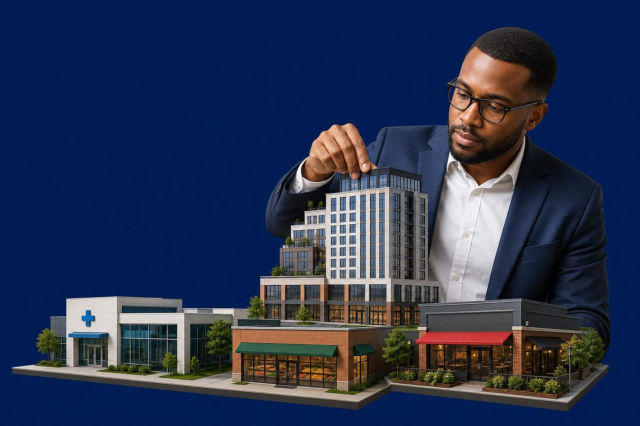
Clinics, grocers, restaurants and anchors structured as qualified businesses.
 VII-8
The tests, forms and habits that keep a fund qualified for ten years.
 VII-9
Exit mechanics and the bridge that keeps gains in the community.