City Transformation University

Blueprint your city’s future.

73 modules from 30 years of City Transformation work, for the investors, partners and local leaders renewing their neighborhoods without displacing the people who live there.

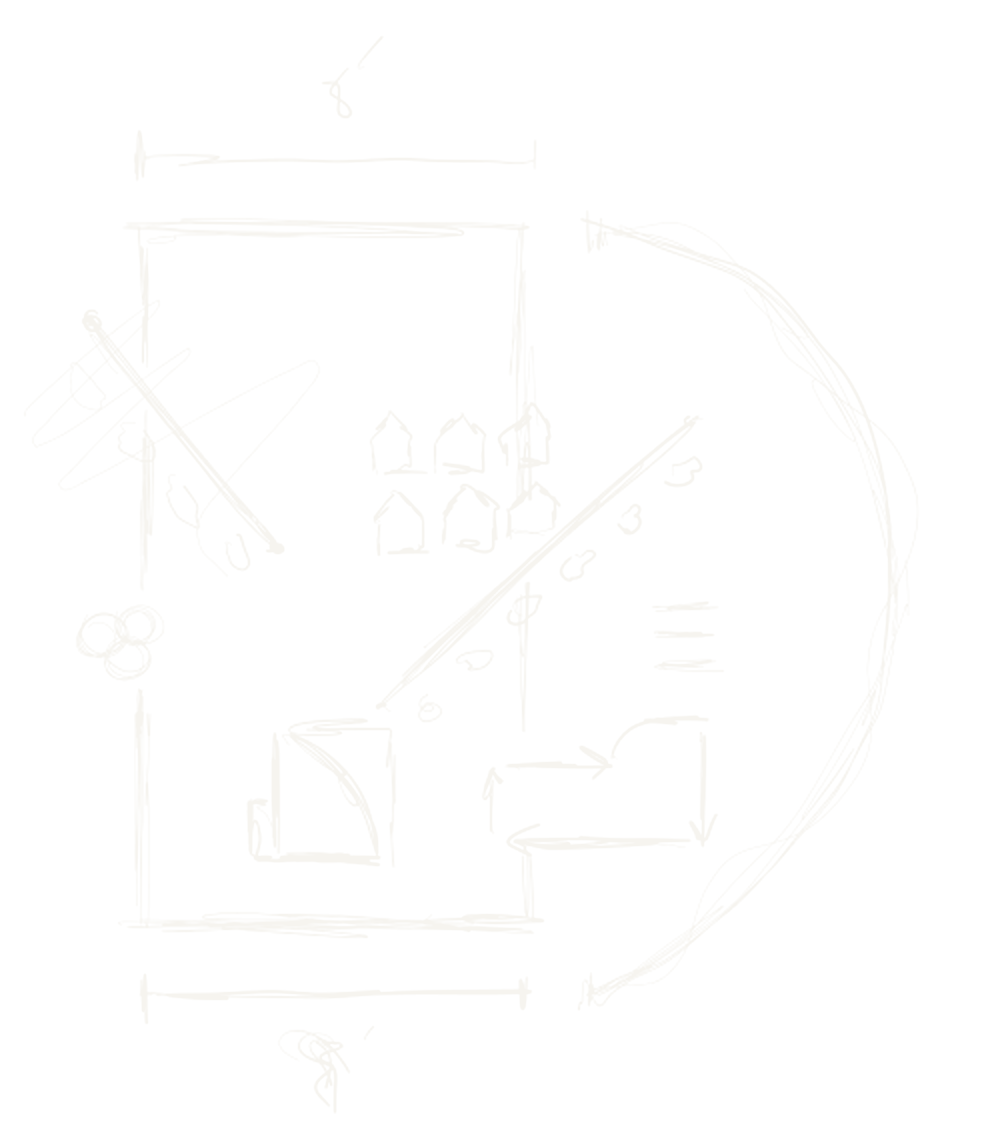
Architectural blueprint sketch of a city block
30 yearsof City Transformation field work
73 modulesacross 8 tracks, 9 classes in each
38%drop in violent crime in the West Dallas target area
Cities being transformedWest Dallas · West Palm Beach · Kansas City · Corpus Christi · Port Aransas

Our vision

Why we built this training

For 30 years, the City Transformation model has brought churches, city leaders, police, builders and investors together around one neighborhood plan, starting in West Dallas. City Transformation University turns that work into training anyone can use: 73 modules across 8 tracks, from crime and safety to Opportunity Zone finance and disaster relief.

It is a tool, not a theory. Each module gives investors, partners and local leaders the steps, templates and examples to improve their own community and widen economic opportunity for the people who already live there.

Tracks

8 tracks, 73 modules

Six community tracks, Opportunity Zone finance, and disaster relief and recovery. Choose a track to see its modules in the catalog, or see the full module list.

How it works

Track, module, class

The training is organized in three levels. Pick a track, work through its modules, and every module is taught in the same nine one-hour classes.

  1. TrackA focus area8 tracks, from Crime & Safety to Disaster Relief & Recovery.
  2. ModuleA complete topic73 modules across the tracks, each one a full course of its own.
  3. ClassA one-hour session9 classes in every module. Class 9 is always capstone prep.

Get involved

Four ways to take part

Investors, partners, local leaders, and influencers and supporters each have a role. See who each one is for and what you get.

See how to get involved →

Documented track record

Every figure below is tied to a public record.

38%Drop in violent crimeWest Dallas Weed and Seed target area, by May 2009, as reported by the U.S. Department of Justice program.
2008–2015Chair, Dallas Ethics Advisory CommissionRandy H. Skinner, appointed by unanimous City Council vote; Code of Ethics amendments adopted 2015.
2016 · 2019Appointed by the Governor of TexasOneStar Foundation Board, which administered the $100 million Rebuild Texas Fund after Hurricane Harvey.
2013Drug houses returned to the neighborhoodWith the U.S. Attorney and U.S. Marshal, four forfeited gang houses on Life Avenue went to Dallas Area Habitat for Humanity.

Sources: City of Dallas City Secretary; Office of the Texas Governor; U.S. Attorney's Office, Northern District of Texas; West Dallas Weed and Seed 2008 program narrative.

Our goals

What we hope to achieve

1

Scale the model

Take the City Transformation model to other communities through technology and local partnerships.

2

Capture 30 years of lessons

Document the lessons learned and best practices of the last 30 years, organized with the help of AI.

3

Encourage the Church

Show the body of Christ that change is possible when we work together.

4

Fund local ministry

Create a dedicated revenue stream for local ministries and missions.

5

Equip young leaders

Give young leaders proven practices and systems for impact in their own communities.

6

Invest without displacement

Encourage investors to back Opportunity Zone projects that are profitable and good for local partners and residents, without displacement: projects with an earthly and an eternal impact.

Cities being transformed

Cities are being transformed, and this training is how the work spreads.

West Dallas · West Palm Beach · Kansas City · Corpus Christi · Port Aransas

From the West Dallas target area, where violent crime fell 38%, to coastal cities rebuilding after disaster, the same Track → Module → Class training puts the model in the hands of local leaders.

Co-founders

The people behind the West Dallas model

City Transformation University is built from the field work of its two co-founders: one who organized the city, faith and law-enforcement partners, and one who built the homes.

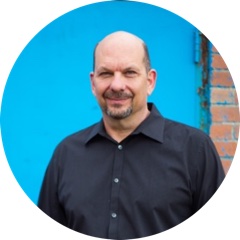
Randel H. Skinner

Randel H. Skinner

Co-founder

An urban specialist who organizes faith, business, city and law-enforcement partners around one neighborhood plan, and the author of the City Transformation curriculum.

  • Chair, Dallas Ethics Advisory Commission, 2008–2015, appointed by unanimous City Council vote
  • Appointed by Governor Greg Abbott to the OneStar Foundation Board, 2016 and 2019
  • Served on the committee rebuilding Port Aransas after Hurricane Harvey
  • Executive director of the Greater Dallas Justice Revival, which launched the Homes for Our Neighbors campaign
  • Joined the U.S. Attorney and U.S. Marshal in 2013 to return forfeited West Dallas drug houses to Habitat for Humanity
  • President of FEED 3 Inc.; former director of the National Conference on Crimes Against Children
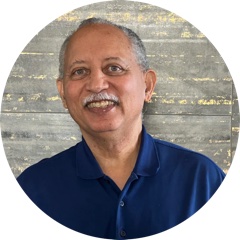
Norman Henry

Norman Henry

Co-founder

A licensed builder and affordable-housing leader with more than 36 years in community development, who turned West Dallas land-bank lots into homes for working families.

  • More than 36 years in community development
  • Congressional Award (2012) for impact on urban areas in West and Southern Dallas
  • Special recognition from the Texas House of Representatives (2013) for revitalizing urban communities
  • Texas Community Hall of Fame, Winning Pioneer Award, for creating the Urban Land Bank, which cleared title on more than 6,000 lots so nonprofits and marketplace builders could build affordable new homes
  • Advisory boards over 30 years, including JPMorgan Chase Bank, Enterprise Community Partners, West Dallas Weed and Seed, Harmony CDC and the HUD Faith-Based Task Force
  • Former President and CEO of Builders of Hope CDC; former Executive Director of Voice of Hope Ministries
  • Former board chair of the Texas and North Texas Associations of CDCs
  • Licensed builder; graduate of Tuskegee University; co-author of the City Transformation University curriculum

Request a briefing

Tell us how you would like to take part and we will send the schedule for the next cohort.

www.citytransformation.org · skinner.randy@gmail.com · 214-316-1356